Loading page content...
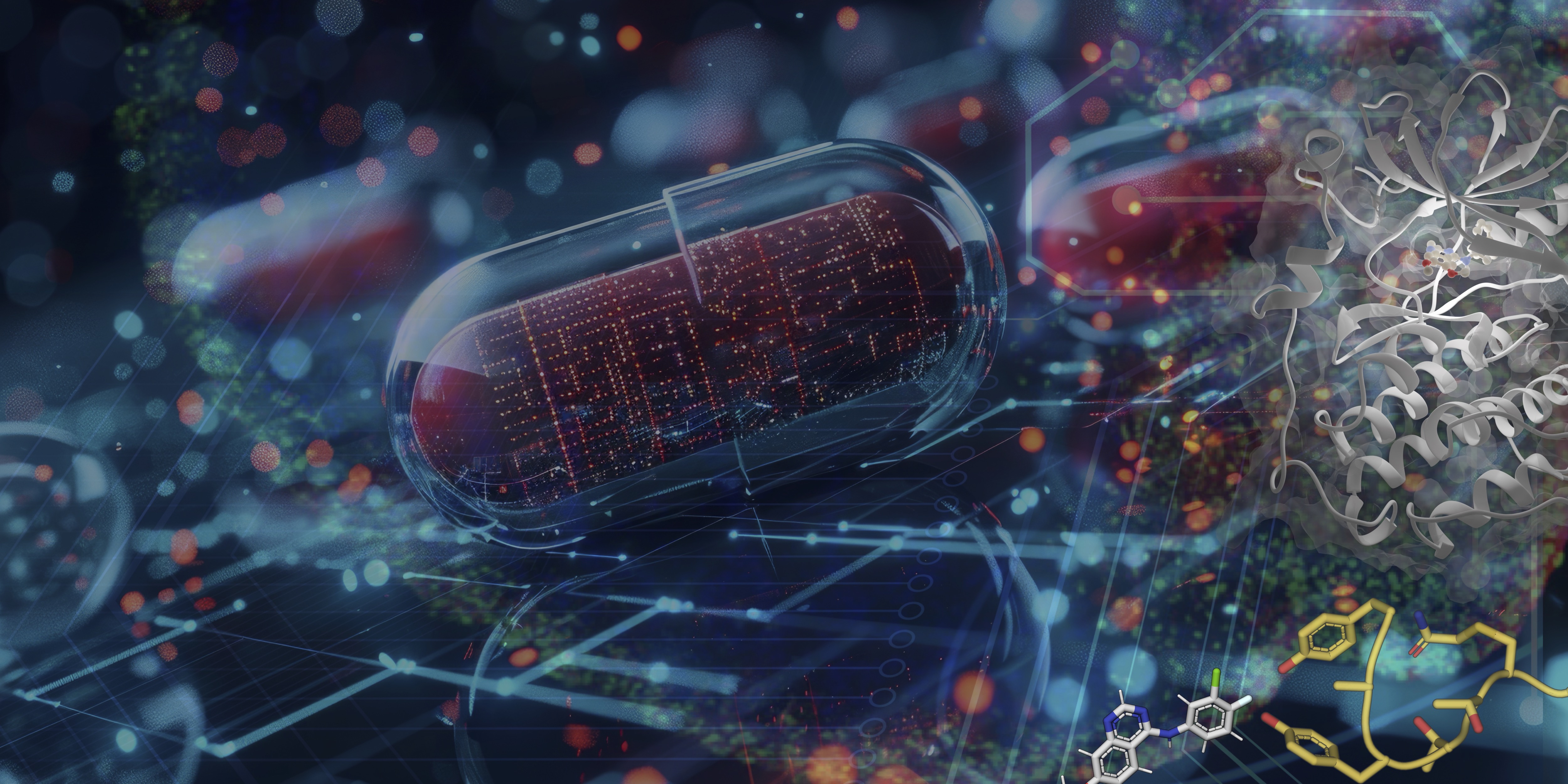
BIOMOLECULAR AI & DIGITAL BIOCHEMISTRY
Connecting minds, data, and molecular intelligence.
Discovering, designing, and developing advanced AI models and computational frameworks at the intersection of chemistry, biology, and computer science.
01 —— BAID RESEARCH BACKGROUND & STRATEGIC PIPELINE
Research Background & Strategic Framework
Foundational philosophy, interdisciplinary convergence, and end-to-end computational discovery pipelines driving modern biomolecular artificial intelligence.
The accelerating convergence of artificial intelligence with biomolecular science and biomedicine presents an urgent opportunity to generate meaningful, actionable insights at the molecular scale. At the Biomolecular Artificial Intelligence & Digital Biochemistry (BAID) team, we sit at the intersection of biochemistry, molecular biology, chemistry, pharmaceutical sciences, and computer science. We aim to develop computationally efficient and scalable frameworks for molecular deep learning, machine learning, and representation learning. In parallel, we apply modern computational and state-of-the-art techniques, including molecular docking and molecular dynamics simulation, to decode complex molecular phenomena. Our research tackles persistent challenges in biomedicine and biomolecular science, such as the inefficiencies of drug discovery pipelines (both low- and high-throughput), limited mechanistic understanding of molecular function, and data scarcity for therapeutic target identification.
Our work spans three interconnected research lines: (I) Molecular Representation Learning & Computations, (II) Molecular Discovery & Design, and (III) Molecular Modeling & Simulation. Together, these pillars enable us to build end-to-end pipelines that integrate data analysis, prediction, design, and simulation. Through this integrative and translational approach, we intend to conduct transformative research with real-world biomedical impact—pushing the frontiers of precision medicine, structural biology, and computational methodology.
Funding & Research Support
We appreciate the funding and support from
Program Management Unit for Human Resources & Institutional Development, Research and Innovation (PMU-B)
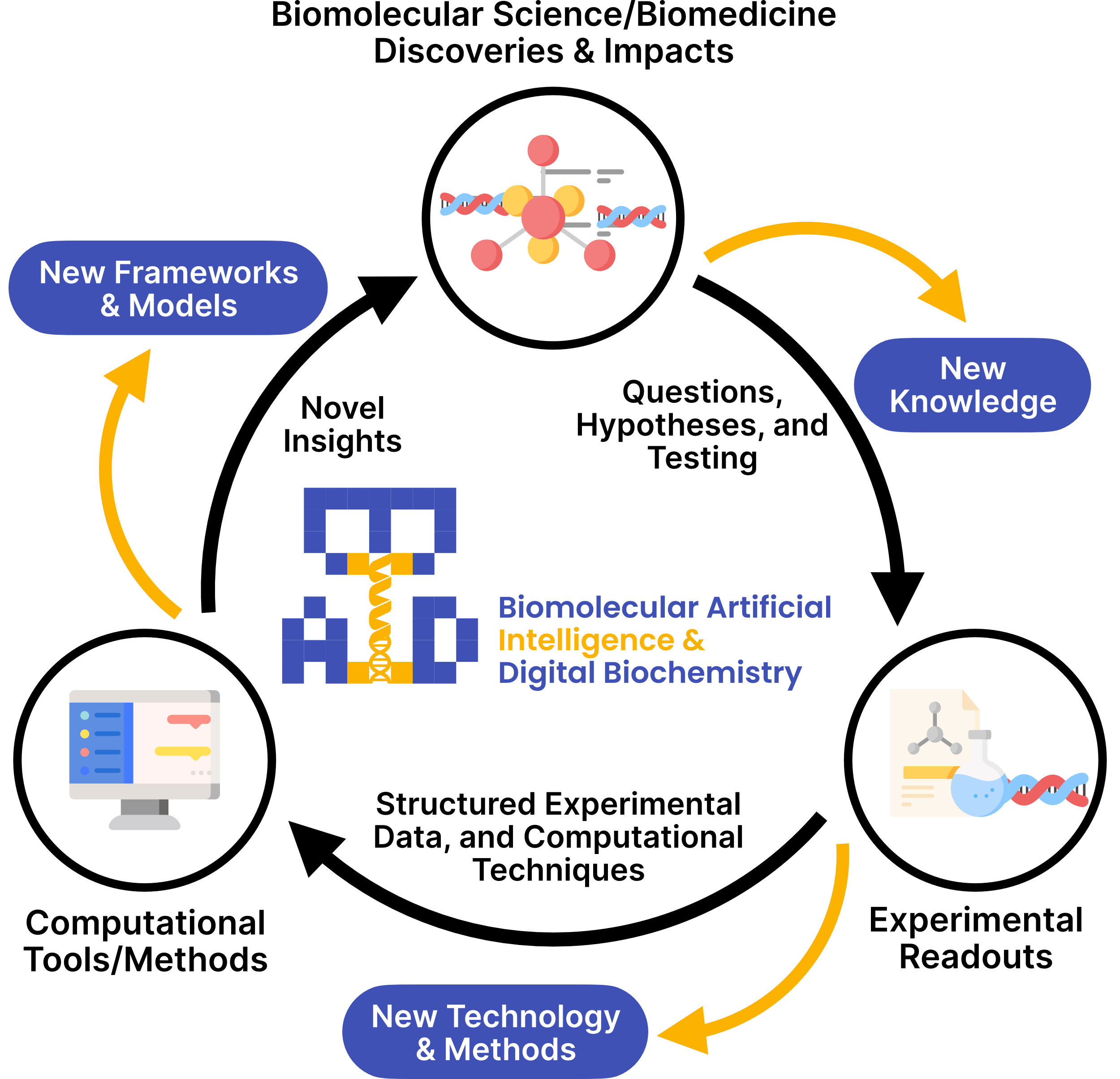 BAID Strategic Research Pipeline
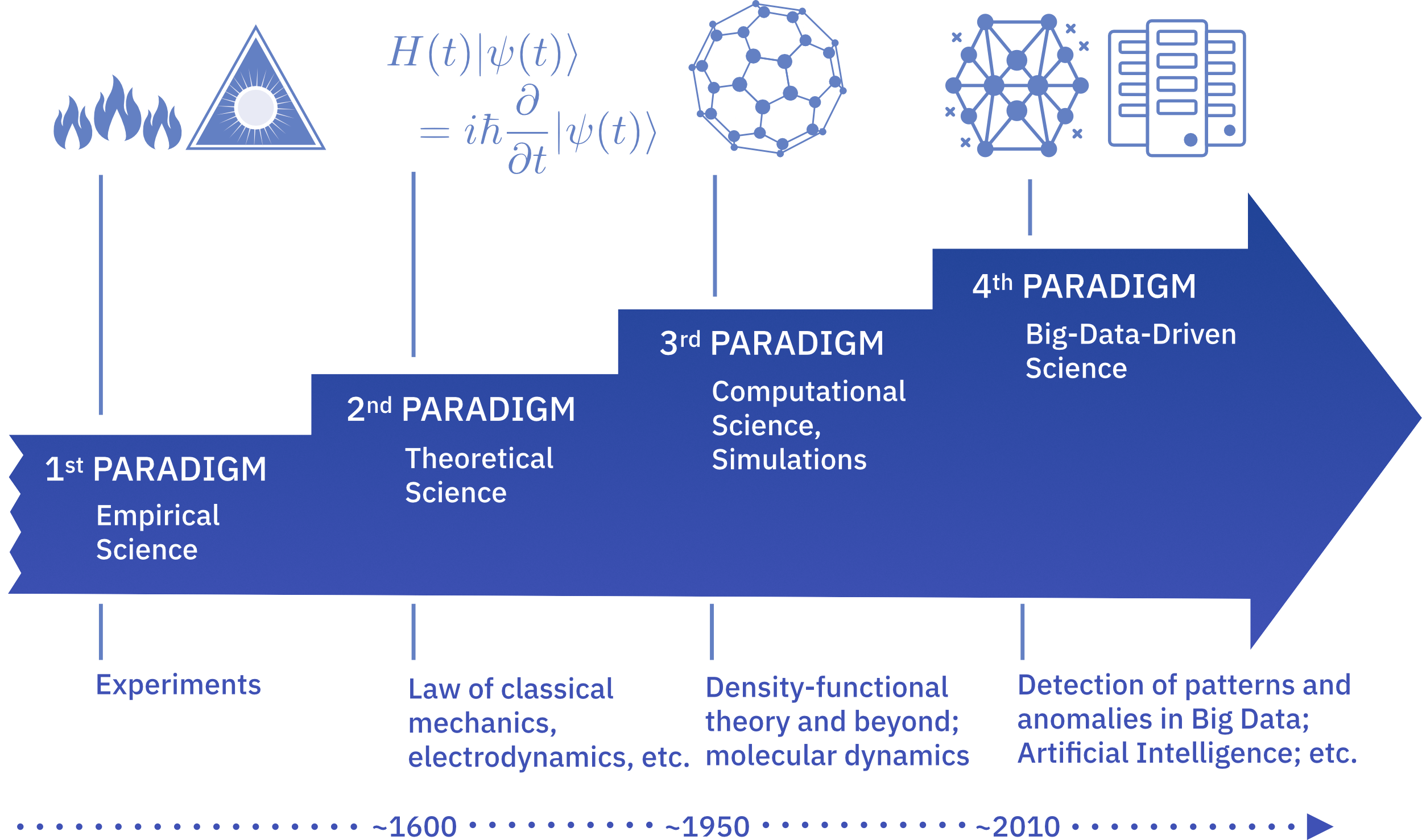 Evolution of Scientific Paradigms
Core Mission & Research Vision
“Our mission is to transform the dynamic landscapes of biomolecular science and biomedicine by discovering, designing, and developing advanced AI models and computational frameworks, striding toward real-world impacts and accelerated scientific discoveries at the molecular scale.”
02 —— RESEARCH TEAM & ACTIVE MEMBERS
Core Research Team & Alumni
Dedicated researchers, engineers, and students advancing machine learning models and atomistic simulations at VISTEC.
Current Members

Bundit (Aon) Boonyarit
Ph.D. Student
M.S. (Biochemistry), Kasetsart University, TH
B.Sc. (Chemistry), Prince of Songkla University, TH
Thanyathorn (Ton) Kingrat
Full-time Research Assistant
B.Eng. (Computer Engineering), Mae Fah Luang University, TH

Nattawin (Natt) Yamprasert
Part-time Research Assistant
Undergraduate Student in Computer Engineering, Sirindhorn International Institute of Technology (SIIT), Thammasat University, TH
Former Members & Alumni
Krong (Ton) Krongyuth
Research Intern
B.Sc. (Mathematics), Mahidol University, TH

Parichamol (Prachan) Tantisuphakornsakul
Student Researcher
High School Student, Kamnoetvidya Science Academy (KVIS), TH
(in collaboration with T. Arjaree Thirach and Dr. Chayasith Uttamapinant)
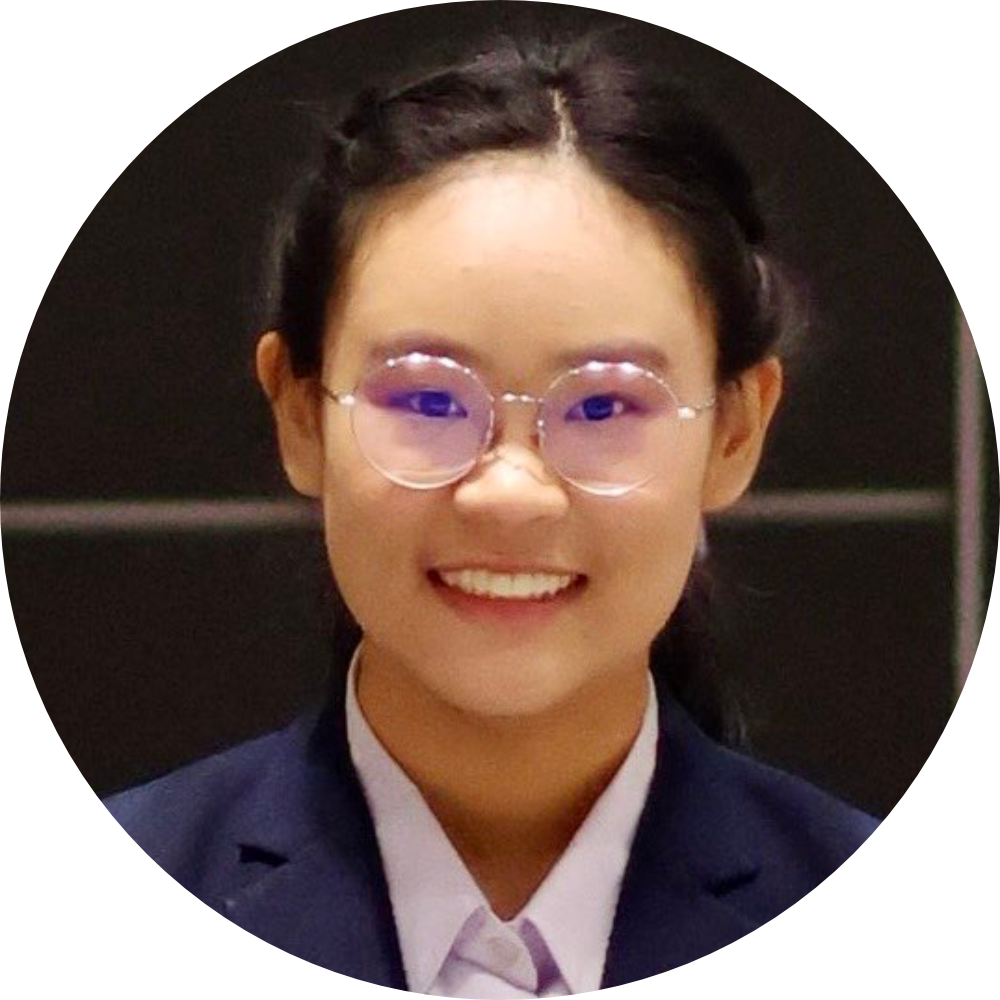
Punnapa (Ming) Pobsirikasem
Student Researcher
High School Student, Kamnoetvidya Science Academy (KVIS), TH
(in collaboration with T. Arjaree Thirach and Dr. Chayasith Uttamapinant)

Nopsinth (Will) Vithayapalert
Part-time Research Assistant
M.S. (Computational Finance, Management Science and Engineering), Stanford University, USA
B.S. (Operation Research, Management Science and Engineering), Stanford University, USA