Loading page content...
BEYOND THE LAB & ACADEMIA
Curiosity across design, code, and infrastructure.
Creative communication, interactive e-learning, and high-performance computational infrastructure.
01 —— CREATIVE PURSUITS & TECHNICAL INITIATIVES
Specialized Domains & Creative Endeavors
Interdisciplinary endeavors across visual science communication, interactive e-learning tools, and high-performance computing clusters.
03 PURSUITS
Creative Domains
03
Design, E-Learning, HPC
Outreach Lectures
04
NSTDA & VISTEC Series
Visual Direction
10+
Years of Scientific Media
Open Science
100%
Open Tools & Guides
DESIGN STYLEWIT
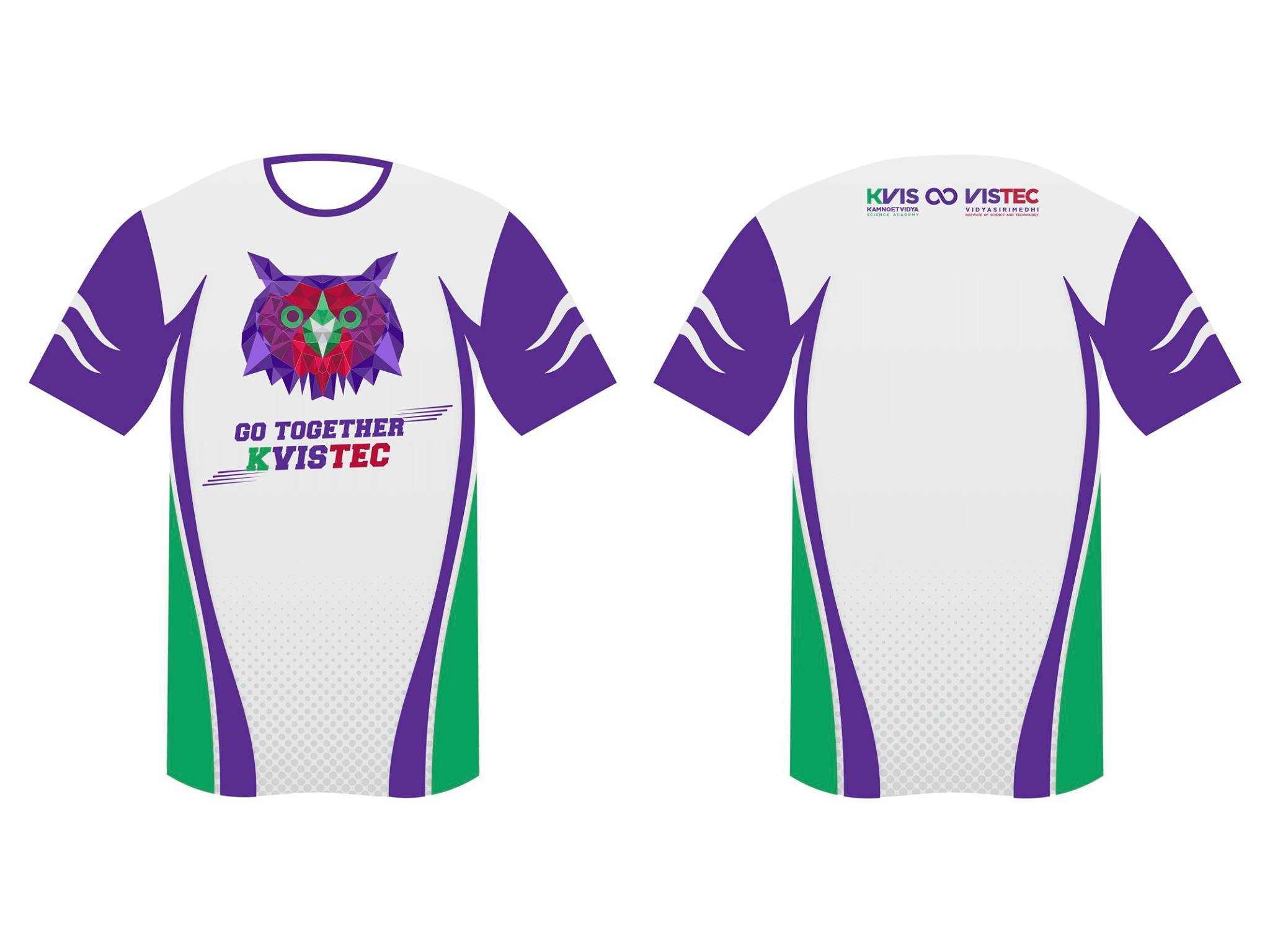
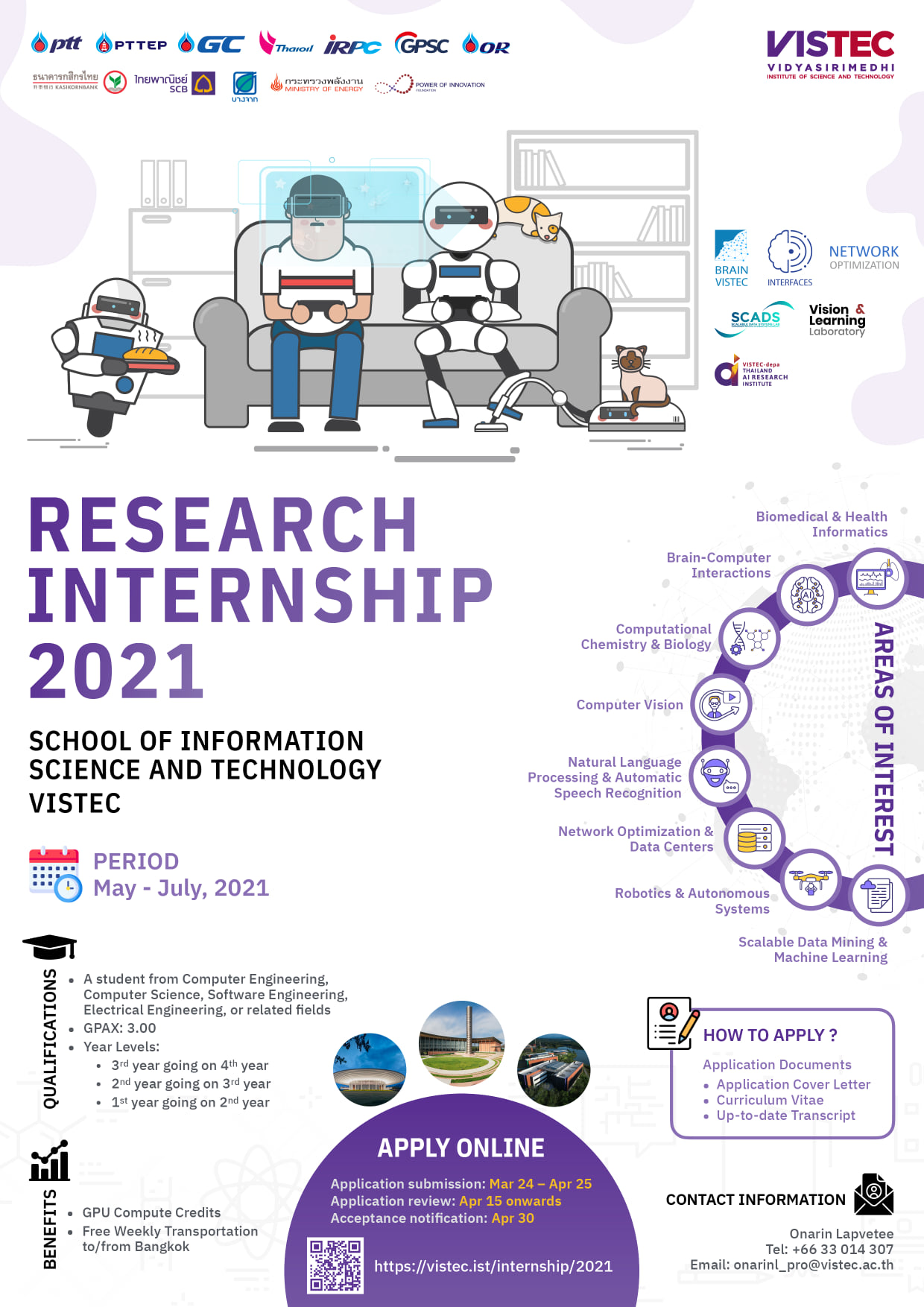
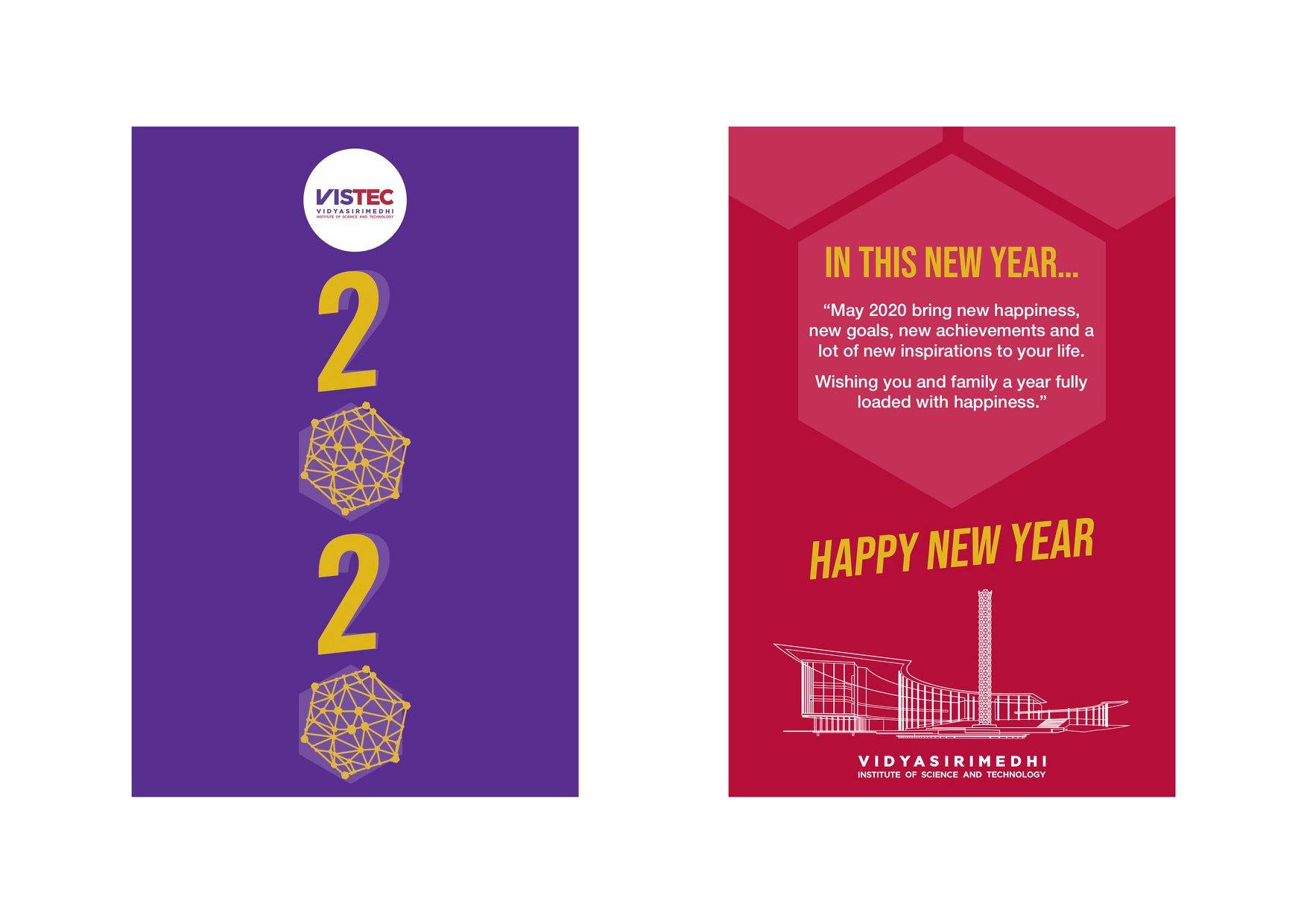
Graphics & Presentation Design
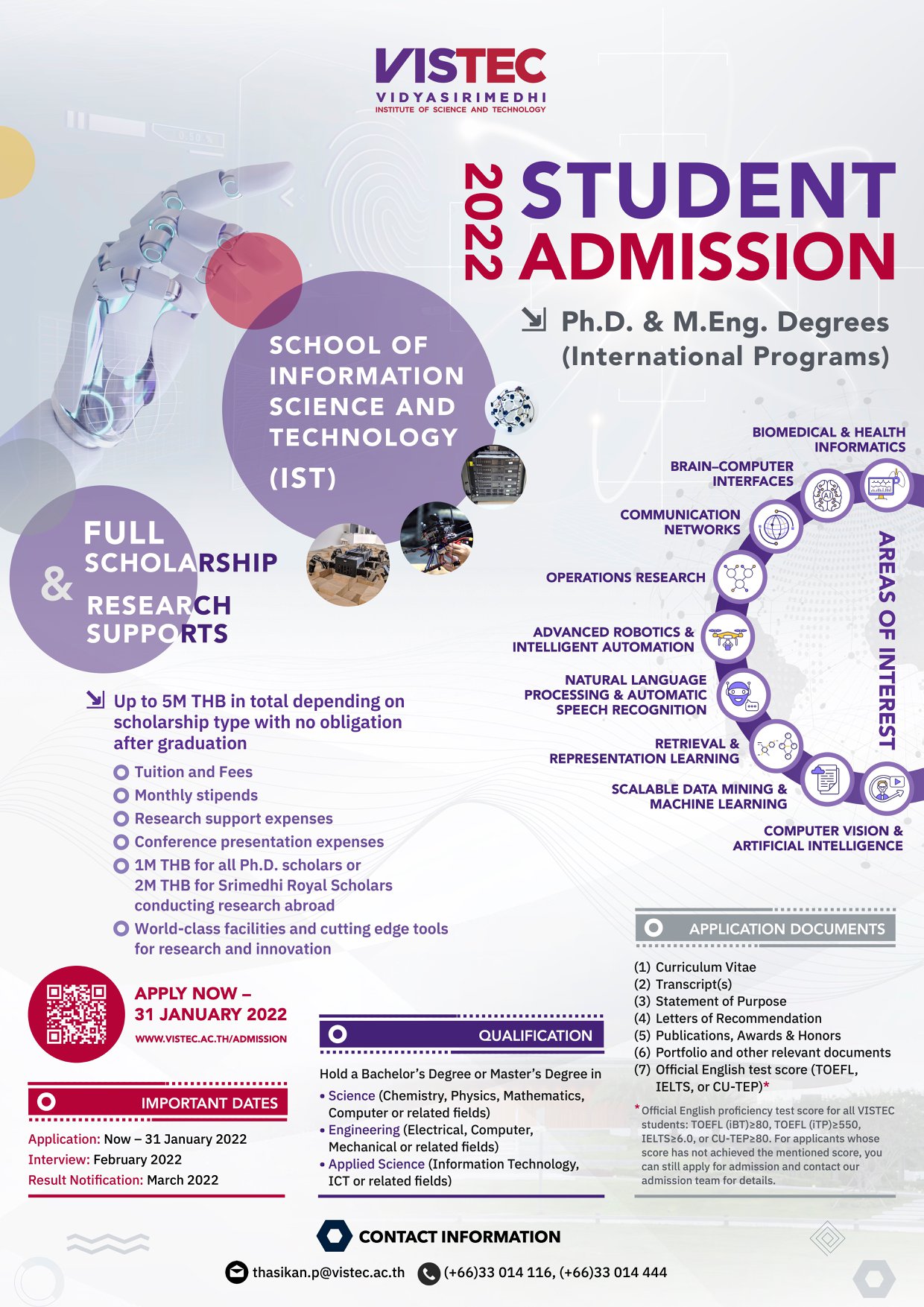
Passionate about science communication, data visualization, posters, brochures, book covers, and academic presentations. Creator and instructor of the “Design StyleWit” workshop series delivered to university faculties and science camps.
Focus Areas & Highlights:
- Creative Design Techniques for Science Presentations
- Visual Abstracts & Infographics
- Conference Posters & Book Cover Design
INTERACTIVE E-LEARNING
Online Learning Platform Design
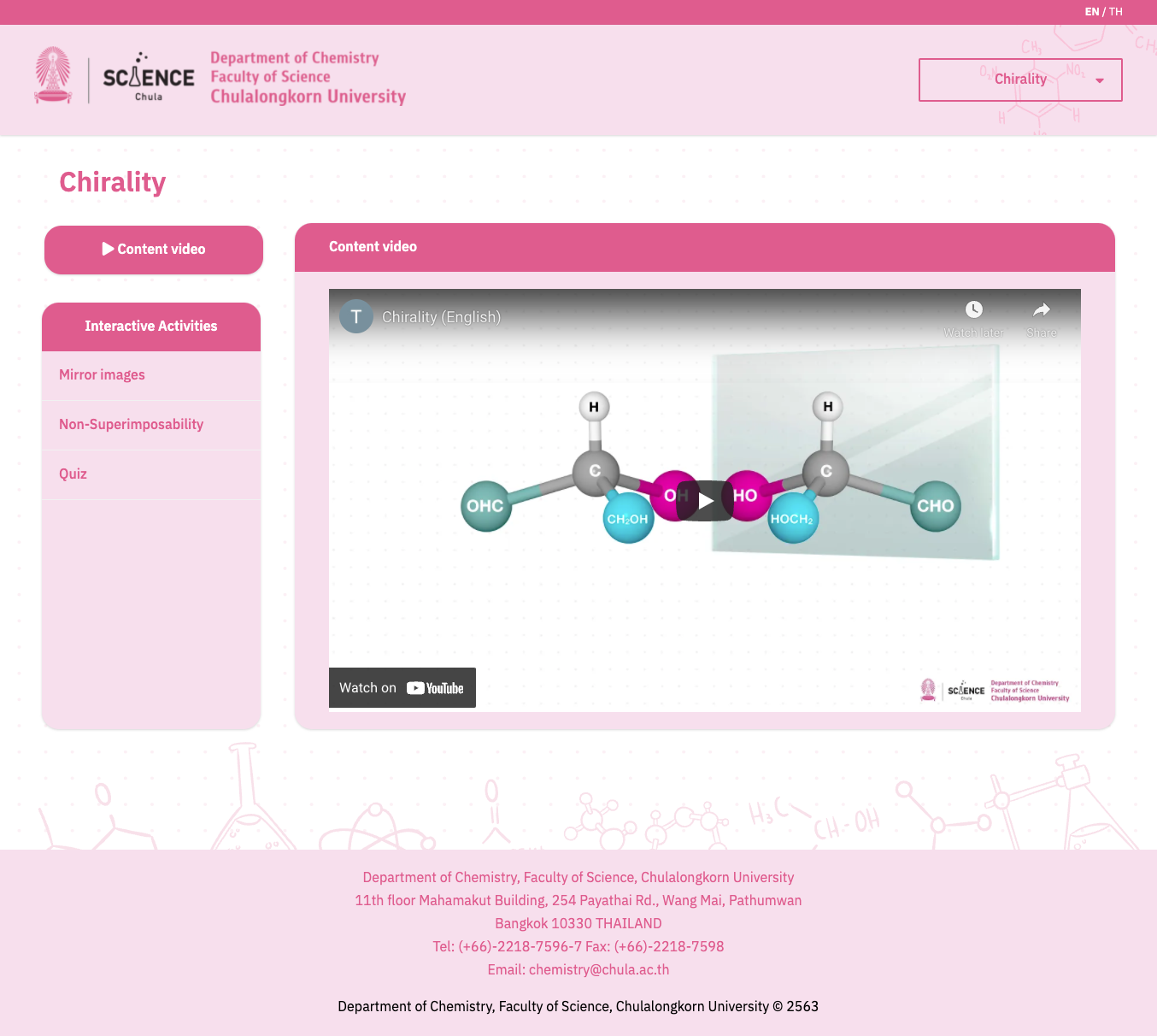
Developed an interactive online learning platform for the Stereochemistry Lecture Series in collaboration with the Department of Chemistry, Faculty of Science, Chulalongkorn University. Features video lectures, interactive 3D molecular representations, and self-assessment modules.
Focus Areas & Highlights:
- 3D Molecular Visualizations
- Interactive Stereochemical Exercises
- Used by Chulalongkorn University undergraduate organic chemistry students
HPC & LINUX CLUSTERS
Server Administration & High-Performance Computing
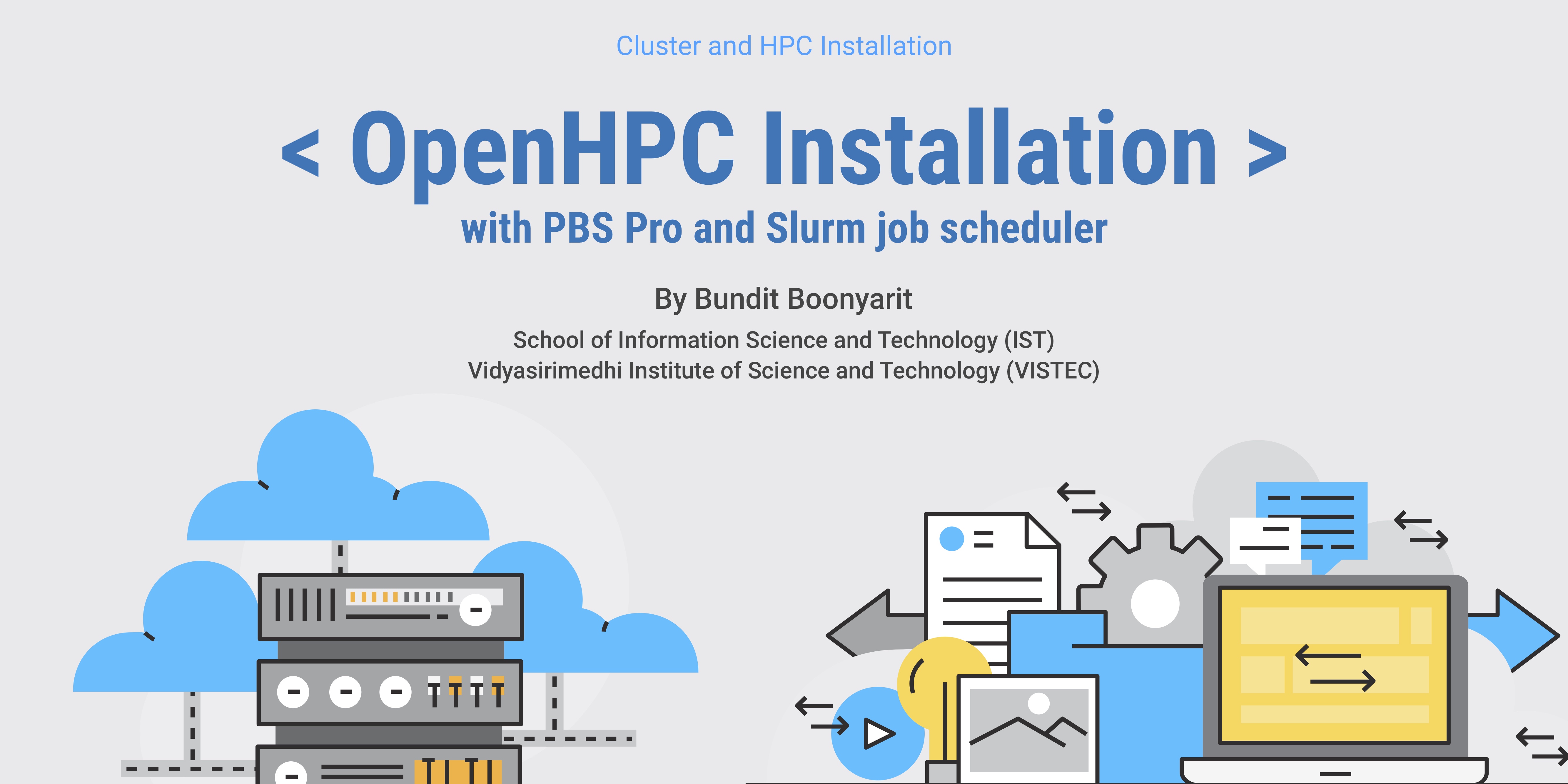
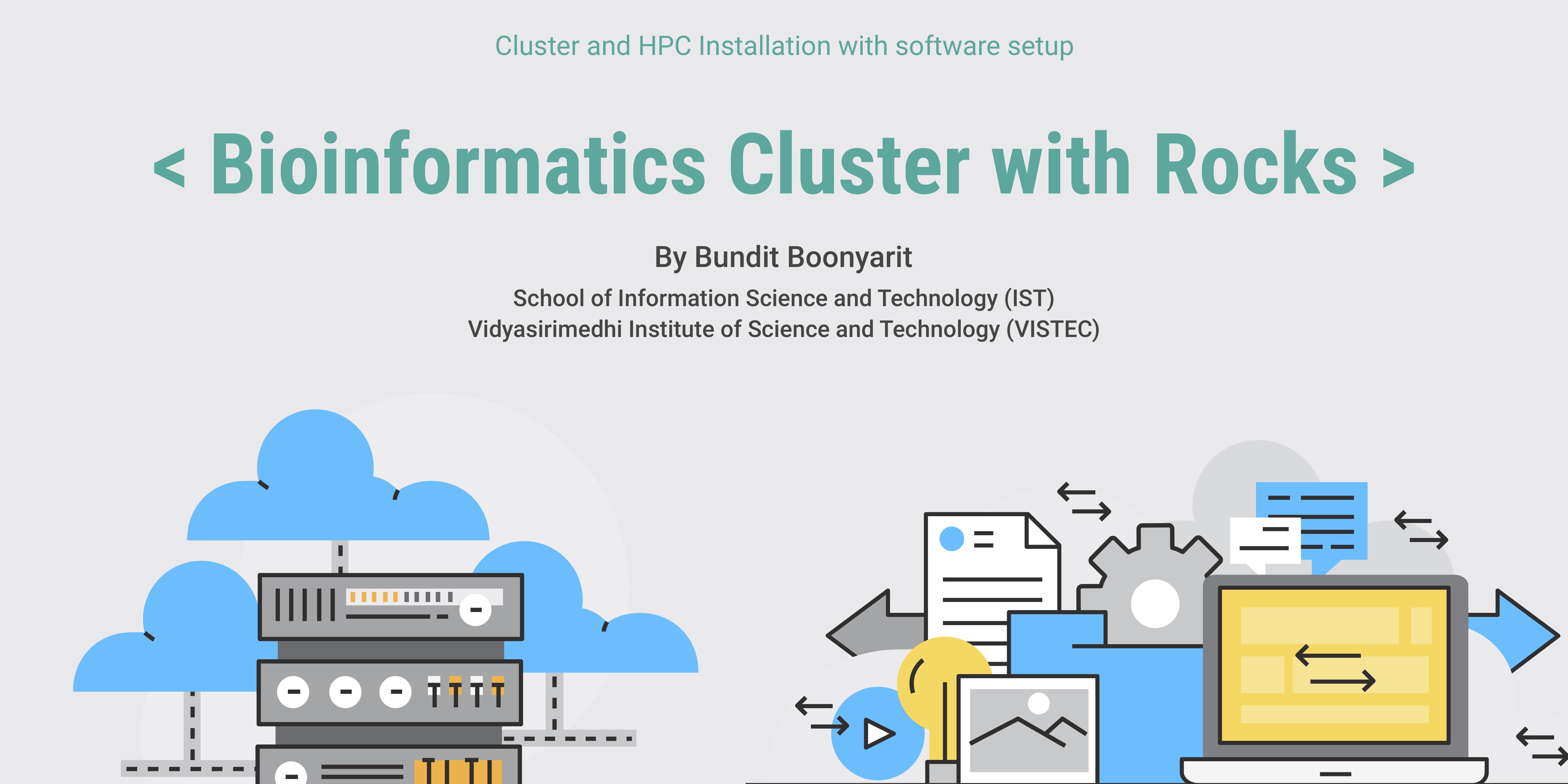
Building, configuring, and operating computational research clusters using enterprise Linux (CentOS/Rocky Linux), Slurm Workload Manager, and Rocks Cluster. Author of popular open-source deployment guides on GitHub.
Focus Areas & Highlights:
- BistKA Mini-HPC Cluster design & deployment for KVIS
- OpenHPC cluster setup and Slurm configuration
- Bioinformatics software environment deployment
- Multi-GPU cluster optimization for AI/deep learning
FEATURED INFRASTRUCTURE · KAMNOETVIDYA SCIENCE ACADEMYProduction Cluster
BistKA: Custom Mini-HPC Cluster for KVIS
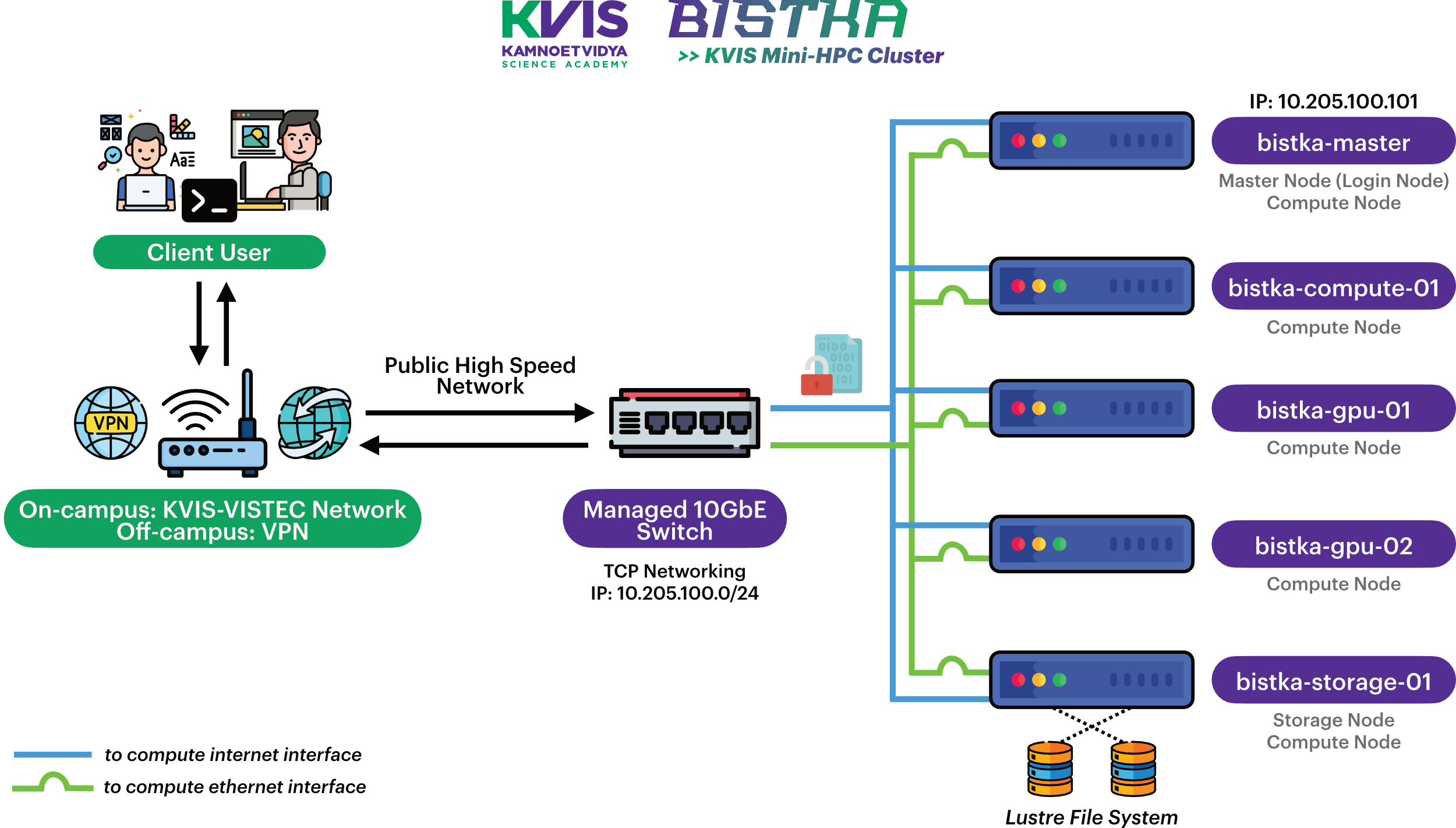
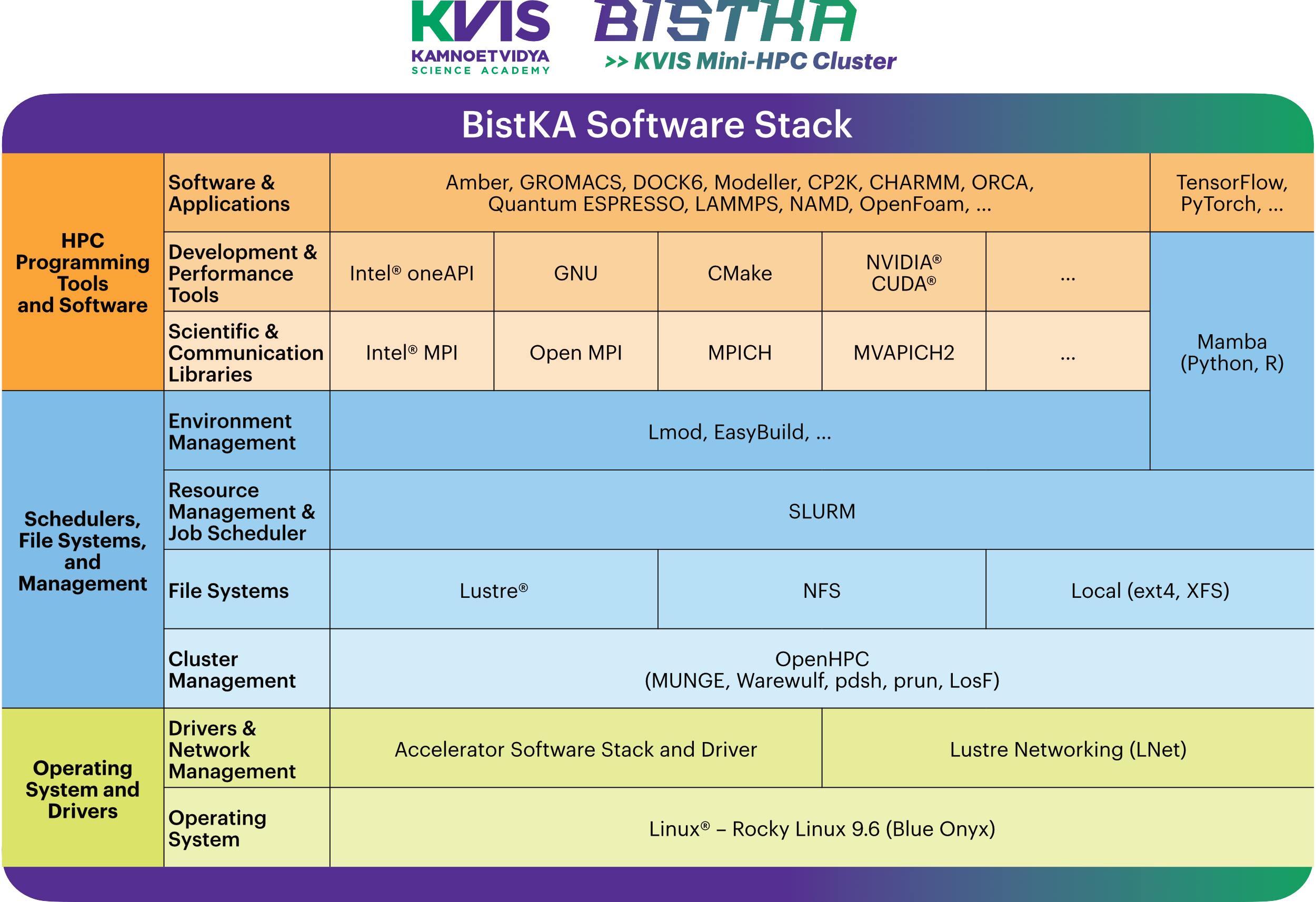
BistKA is a dedicated mini-HPC cluster custom-designed and deployed for Kamnoetvidya Science Academy (KVIS) to empower high school researchers in computational biology, molecular chemistry, and artificial intelligence. Built on Rocky Linux 9.6 with OpenHPC and SLURM workload management, BistKA features CPU and multi-GPU compute nodes, a high-throughput Lustre distributed parallel file system, and a managed 10GbE network fabric—delivering an enterprise-grade computational research environment for advanced student projects.
Rocky Linux 9.6 (Blue Onyx)SLURM & OpenHPCMulti-GPU Compute NodesLustre Distributed File SystemManaged 10GbE Network FabricMolecular Dynamics & Deep Learning Stack
Click to Enlarge
Network & Node Topology
KVIS Mini-HPC Cluster ArchitectureCluster networking architecture highlighting the managed 10GbE switch (10.205.100.0/24 subnet), master/login node (bistka-master), compute nodes (bistka-compute-01, bistka-gpu-01/02), dedicated storage node (bistka-storage-01) with Lustre File System, and on-campus/VPN client access.
Click to Enlarge
BistKA Software Stack
Comprehensive HPC Software & SchedulersComplete HPC stack overview spanning Rocky Linux 9.6 with LNet, OpenHPC & SLURM scheduling, Lustre/NFS file systems, development compilers (Intel oneAPI, GNU, CUDA), MPI libraries, and pre-configured scientific suites (Amber, GROMACS, CP2K, ORCA, TensorFlow, PyTorch, Mamba).
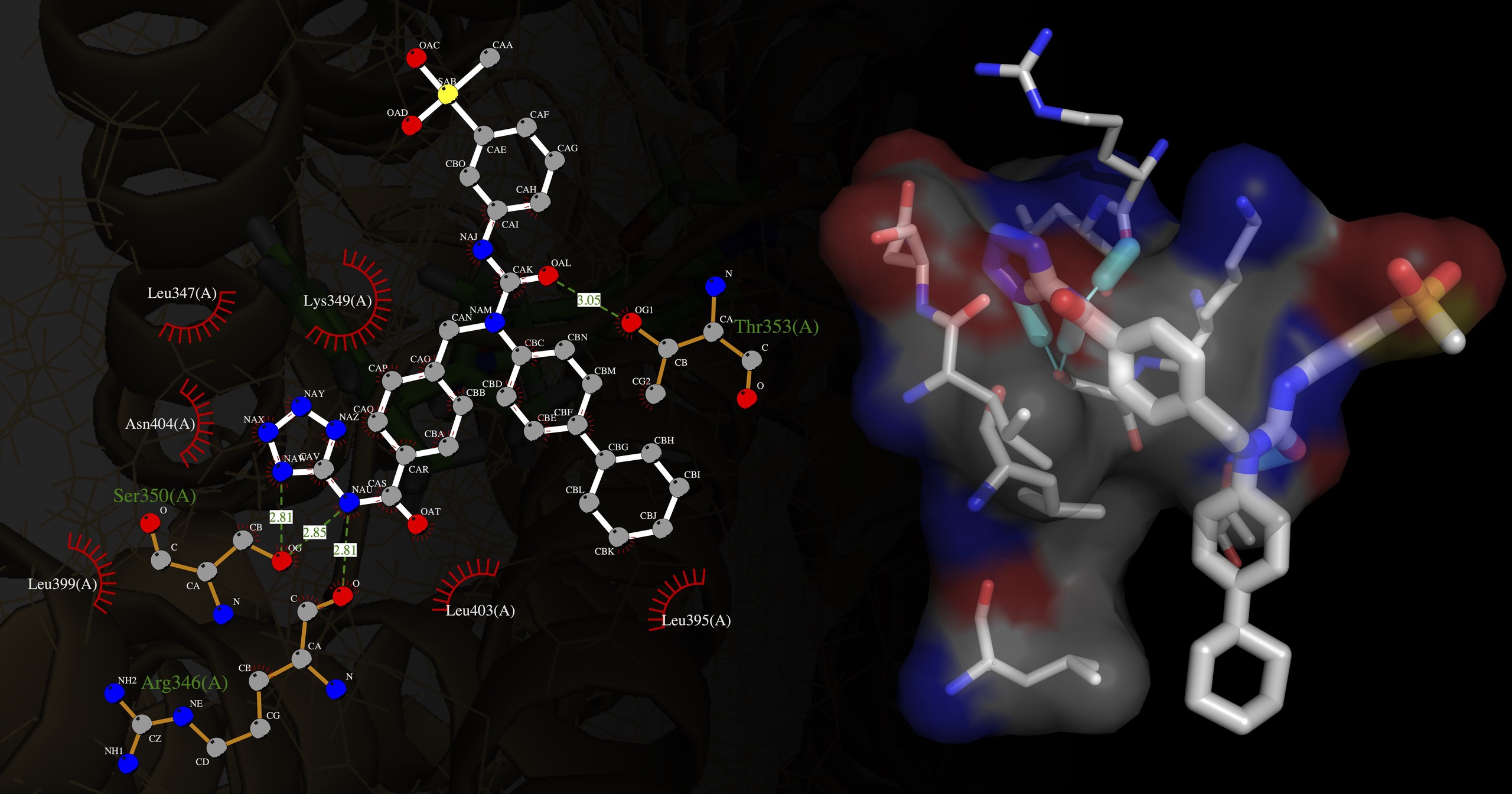
INTERDISCIPLINARY PHILOSOPHY
“Code, design, and computational infrastructure are not separate disciplines — they are the creative instruments that make complex science understandable, actionable, and impactful.”
02 —— ACADEMIC OUTREACH
Academic Outreach, Invited Lectures & Workshops
Invited keynote lectures, nationwide science project mentorship series, and hands-on workshops in machine learning and computational chemistry.
4 OUTREACH LECTURES
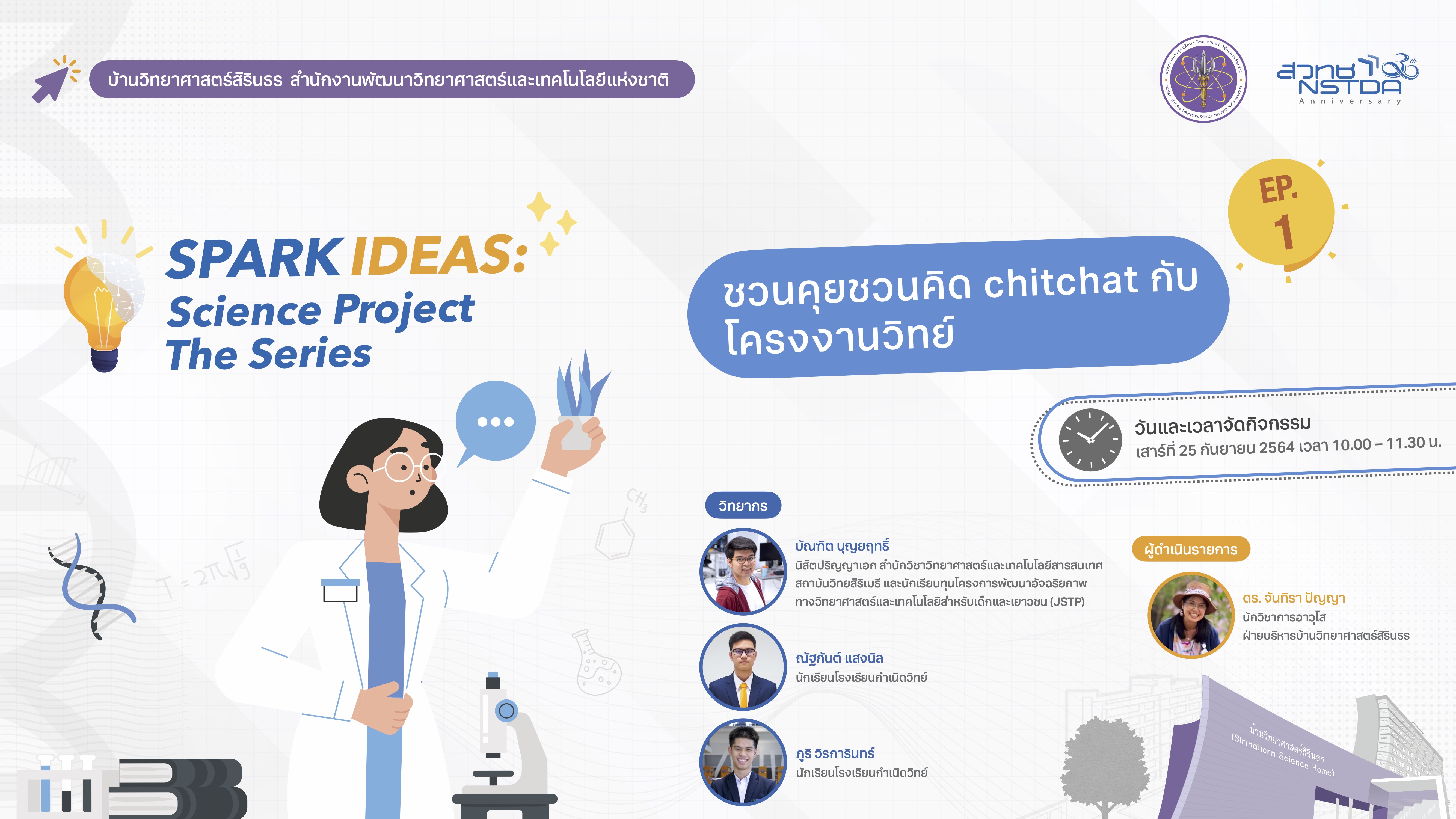
25 ก.ย. 2564
SPARK IDEAS · EP. 1
ชวนคุยชวนคิด chitchat กับโครงงานวิทย์
SPARK IDEAS: Science Project The Series (EP. 1)
ฝ่ายวิชาการและวิจัย สวทช. (NSTDA)
Invited speaker discussing foundational ideas, research inspiration, and scientific curiosity for high school science projects.
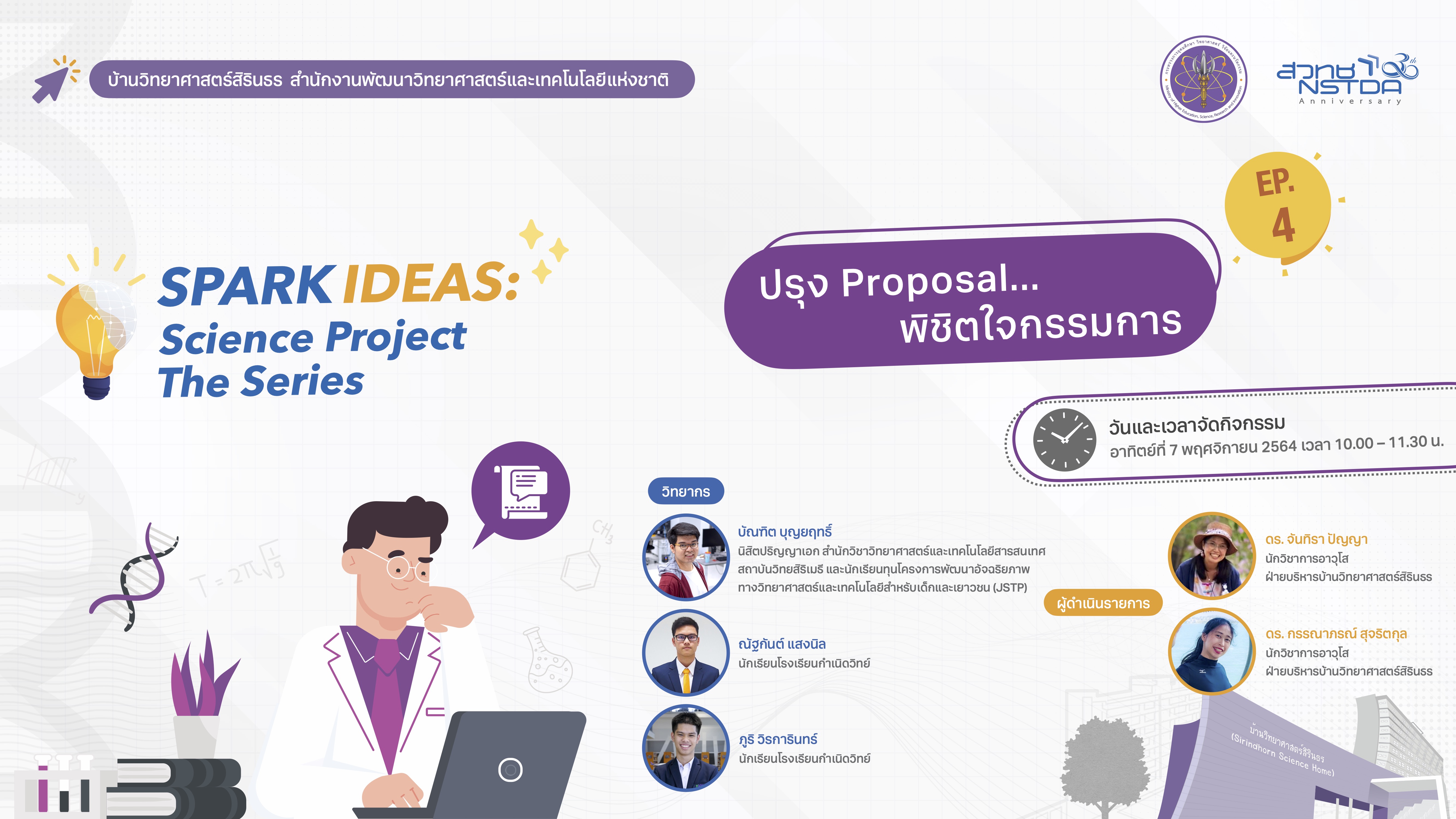
7 พ.ย. 2564
SPARK IDEAS · EP. 4
ปรุง Proposal... พิชิตใจกรรมการ
SPARK IDEAS: Science Project The Series (EP. 4)
ฝ่ายวิชาการและวิจัย สวทช. (NSTDA)
Delivering workshop on writing compelling research proposals, effective presentation storytelling, and defense preparation for competition judges.
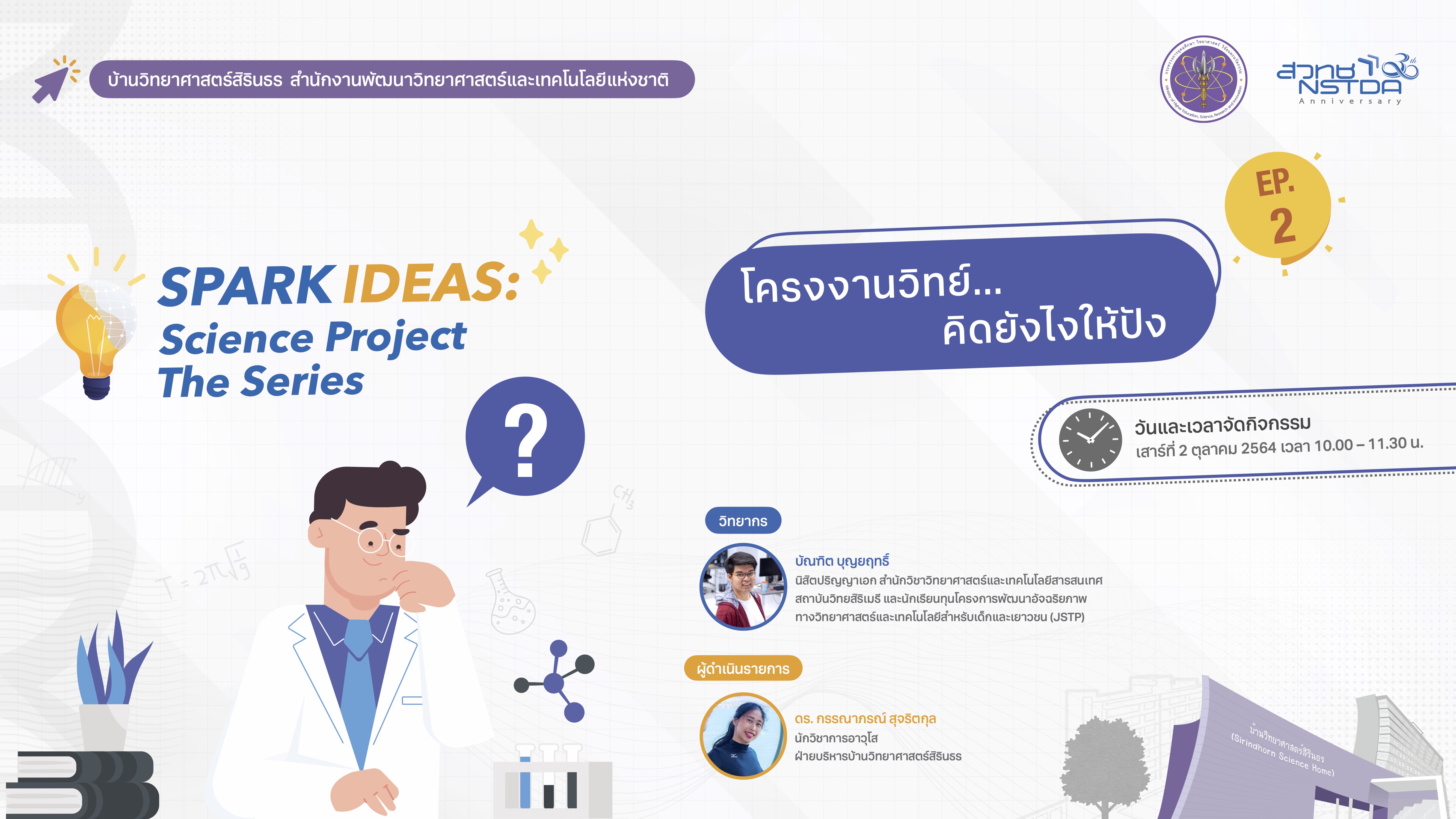
2 ต.ค. 2564
SPARK IDEAS · EP. 2
โครงงานวิทย์... คิดยังไงให้ปัง
SPARK IDEAS: Science Project The Series (EP. 2)
ฝ่ายวิชาการและวิจัย สวทช. (NSTDA)
Keynote lecture on formulating high-impact science project concepts, identifying research gaps, and structuring project hypotheses.
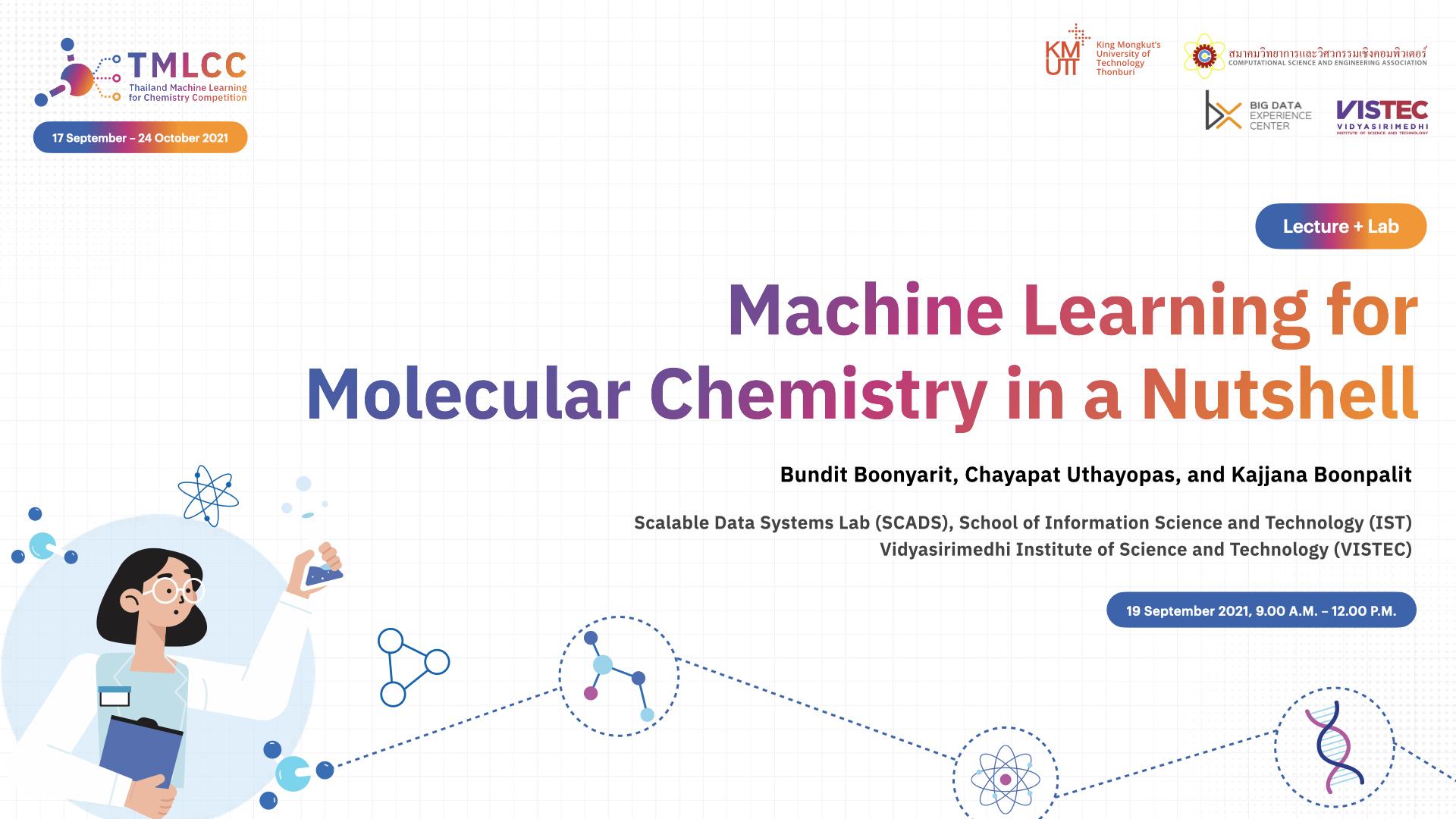
19 ก.ย. 2564
TMLCC 2021 · Lecture + Lab
Machine Learning for Molecular Chemistry
Machine Learning for Molecular Chemistry in a Nutshell
SCADS Lab, IST, VISTEC & KMUTT
Organizer and lecturer for Thailand Machine Learning for Chemistry Competition (TMLCC), covering molecular representations and graph neural networks.