Loading page content...
RESEARCH FOCUS & DOMAINS
From molecular data to meaningful discovery.
The research focuses on discovering, designing, and developing computational frameworks and ML/DL models by integrating cutting-edge AI and computational approaches, striding forward in advancing both fundamental understanding and translational applications across biomolecular science and biomedicine.
01 —— RESEARCH ARCHITECTURE & DOMAIN MAP
Interdisciplinary Architecture & Domain Map
Structural architecture and technical frameworks connecting chemistry, pharmaceutical sciences, biochemistry, and artificial intelligence into a unified computational discovery engine.
DOMAINS & FRAMEWORKS
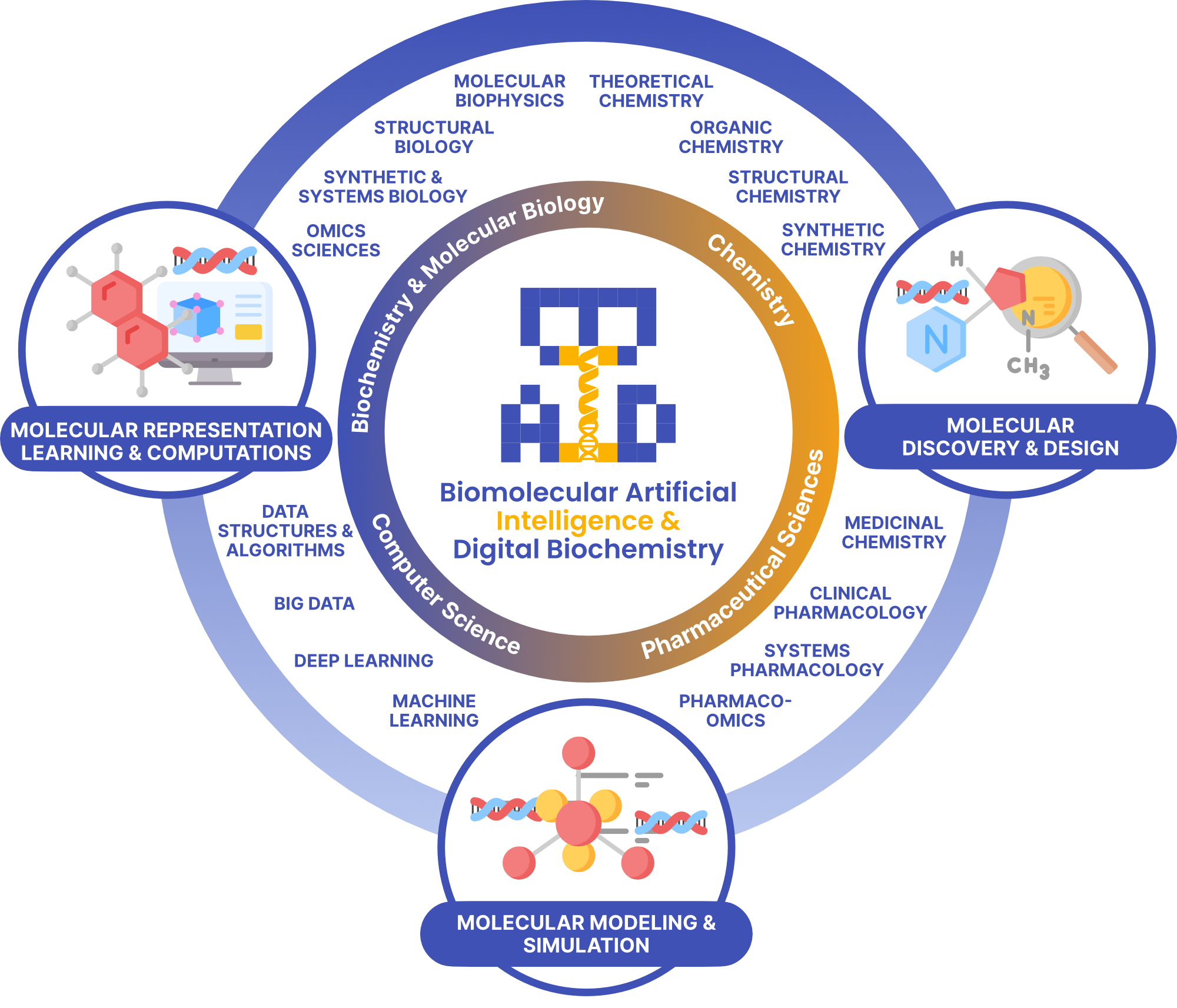 Research Domain Architecture
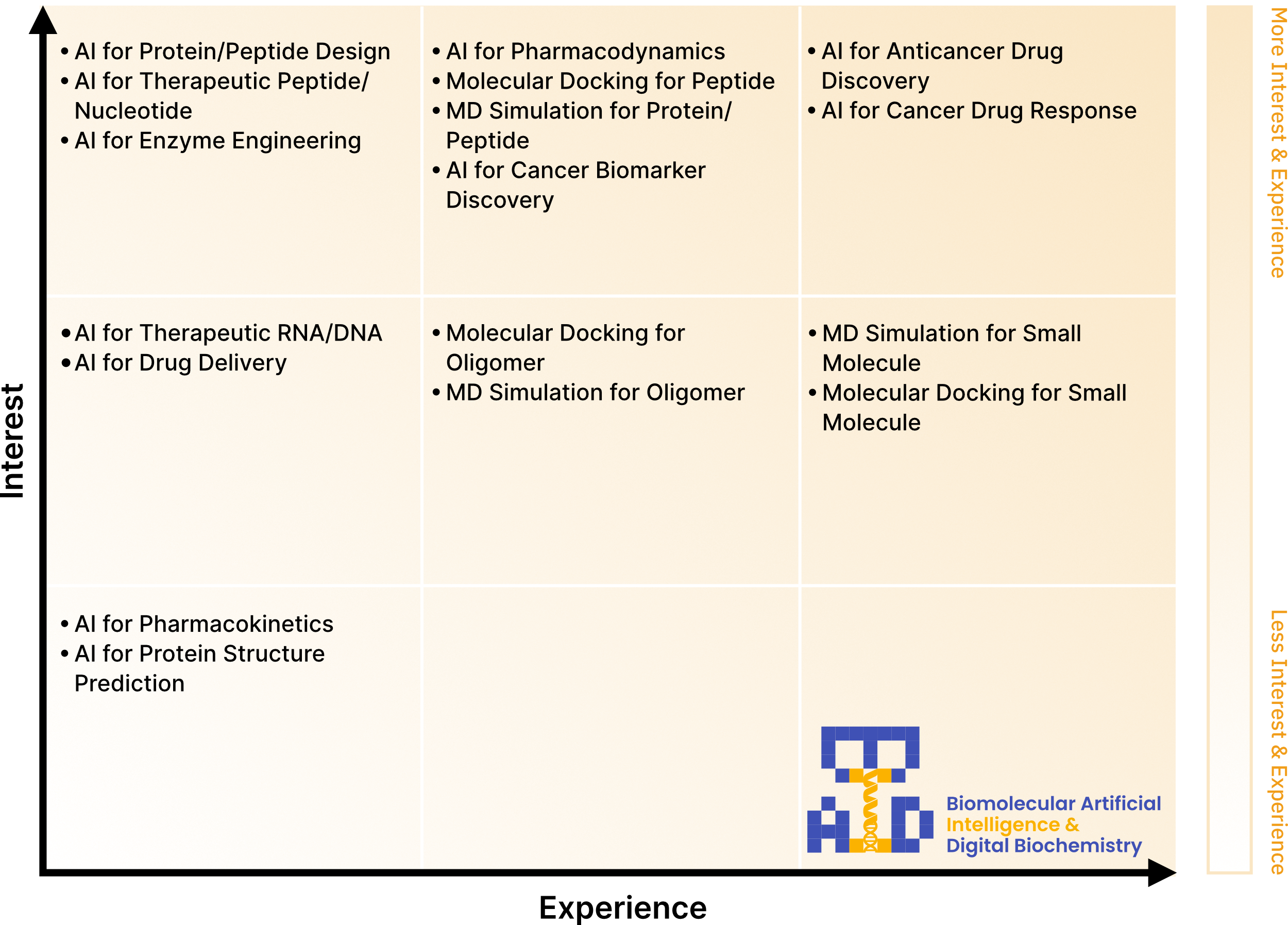 Research Methodology Map
02 —— RESEARCH INTERESTS & CORE DOMAINS
Core Research Interests & Specialized Domains
Interdisciplinary focus areas integrating computational chemistry, molecular biology, structural bioinformatics, and machine learning architectures.
05 CORE DOMAINS
01
Computational Biomolecular Design and Discovery
Computational design and discovery of therapeutic molecules tailored to biological activities and targets.
DESIGN & DISCOVERY
02
Biomolecular Machine Learning
Developing molecular representations, graph neural networks, and deep learning for biological systems.
MACHINE LEARNING
03

Computer-aided Drug Discovery & Design
Structure-based and ligand-based virtual screening, docking, and pharmacological property optimization.
CADD & THERAPEUTICS
04
Computational Chemistry & Biology
Quantum chemistry computations, reaction mechanism modeling, and biomolecular interactions.
CHEM & BIO COMPUTING
05

Structural Bioinformatics
Protein structure analysis, channel transport, and conformational flexibility in cellular systems.
STRUCTURAL BIOLOGY
Core Methodological Disciplines & Techniques:
Computational Biology
Structural Bioinformatics
Biomolecular Systems
Drug Discovery
Machine Learning
Deep Learning
03 —— THREE FUNDAMENTAL RESEARCH PILLARS
Three Fundamental Research Pillars
Technical frameworks, computational pipelines, and algorithms powering each research pillar.
03 CORE PILLARS
PILLAR 001
Molecular Representation Learning & Computations
Designs and develops computational frameworks and models to represent and interpret complex molecular and biological data.
Key Methodologies & Techniques
Graph Convolutional Networks (GCN)Graph Attention Networks (GAT)Spatial Graph EmbeddingsTransfer & Multi-task LearningSelf-Supervised Pretraining
PILLAR 002
Molecular Discovery & Design
Discovers and designs novel therapeutic and biological molecules to specific biological activities and targets.
Key Methodologies & Techniques
Synergistic Cancer Drug CombinationsKinase Inhibitor Discovery (EGFR/HER2)Multi-omics & Proteomics IntegrationHigh-Throughput Hit Compound Classification
PILLAR 003
Molecular Modeling & Simulation
Simulates and models the structure, dynamics, and interactions of biomolecules to uncover molecular mechanisms and functions.
Key Methodologies & Techniques
Molecular Dynamics (MD) SimulationsStructure-Based Virtual Screening (SBVS)Protein-Ligand DockingEnzyme Kinetics & Catalysis
04 —— CURRENT RESEARCH LINES & ACTIVE PROJECTS
Current Research Lines & Active Projects
Ongoing computational investigations bridging artificial intelligence, structural biochemistry, and translational biomedicine across 3 specialized research tracks.
03 ACTIVE TRACKS · 07 PROJECTS
LINE 01
Molecular Representation Learning & Computations
Designs and develops computational frameworks and models to represent and interpret complex molecular and biological data.
LINE 02
Molecular Discovery & Design
Discovers and designs novel therapeutic and biological molecules tailored to specific biological activities and targets.
LINE 03
Molecular Modeling & Simulation
Simulates and models the structure, dynamics, and interactions of biomolecules to uncover molecular mechanisms and functions.
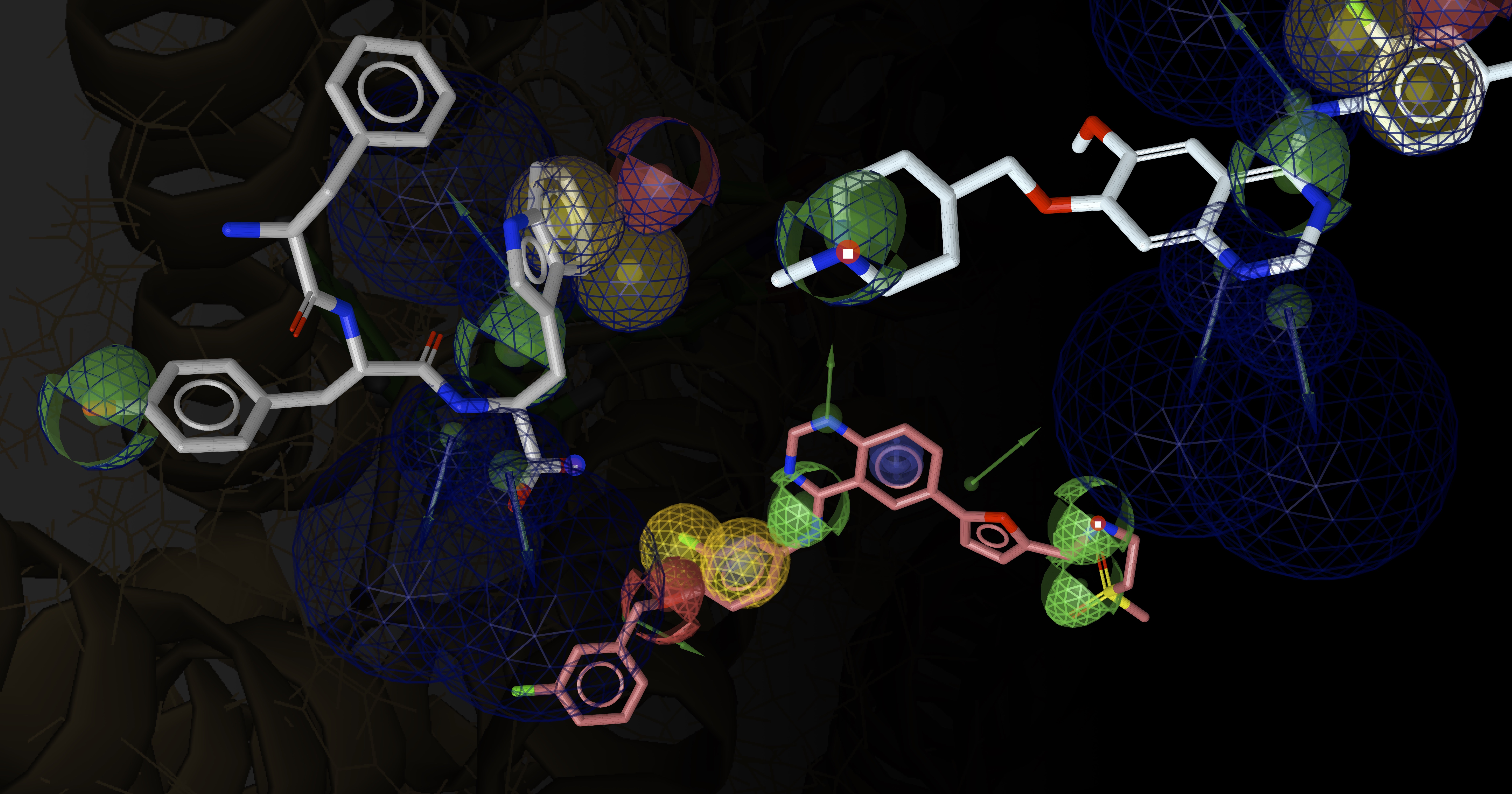
Track I
Drug Discovery & Development
Leveraging deep learning, multi-omics, and molecular modeling to discover novel therapeutics and predict clinical responses.
Track I · PROJECT 01
Molecular Representation Learning for Anticancer Drug Discovery Targeting Kinase Proteins
Develops advanced molecular representation learning techniques for deep learning models (e.g., graph neural networks) to improve property prediction and interpretation in anticancer drug development against kinase protein targets.
Graph Neural NetworksKinase TargetsMolecular RepresentationCancer Therapeutics
Track I · PROJECT 02
Multimodal Deep Learning Based on Multi-Omics for Cancer Drug Response Prediction
Designs and develops multimodal deep learning architectures that integrate multi-omics data (e.g., genomics, transcriptomics, and proteomics) to predict cell-line-specific cancer drug responses, including monotherapy and combination therapy, advancing personalized and precision medicine.
Multimodal Deep LearningMulti-OmicsCancer Drug ResponseCombination TherapyPrecision Oncology
Track I · PROJECT 03
Explainable AI-Driven Adverse Drug Reactions Prediction Toward Pediatric Drug Discovery & Development
Develops an explainable AI model to predict adverse drug reactions in pediatric drug development by integrating chemical, pharmacological, and biological data, along with physics- and chemistry-based features. Accelerates the development of safer pediatric drugs and supports child-specific therapeutic strategies.
In collaboration with Dr. Rossukon Kaewkhaw, Faculty of Medicine Ramathibodi Hospital, Mahidol University
Explainable AIAdverse Drug ReactionsPediatric MedicinePharmacological Data
Track I · PROJECT 04
Computational Discovery and Design of Novel Small Molecules Targeting Glypican-3 for Liver Cancer Therapeutic
Leverages molecular docking and molecular dynamics simulations to discover, design, and optimize therapeutic small molecules aimed at enhancing bioactivity and targeting glypican-3 in liver cancer.
In collaboration with Dr. Chayanon Ngambenjawong, School of Biomolecular Science and Engineering (BSE), VISTEC
Molecular DockingMD SimulationsGlypican-3Liver CancerSmall Molecule Design
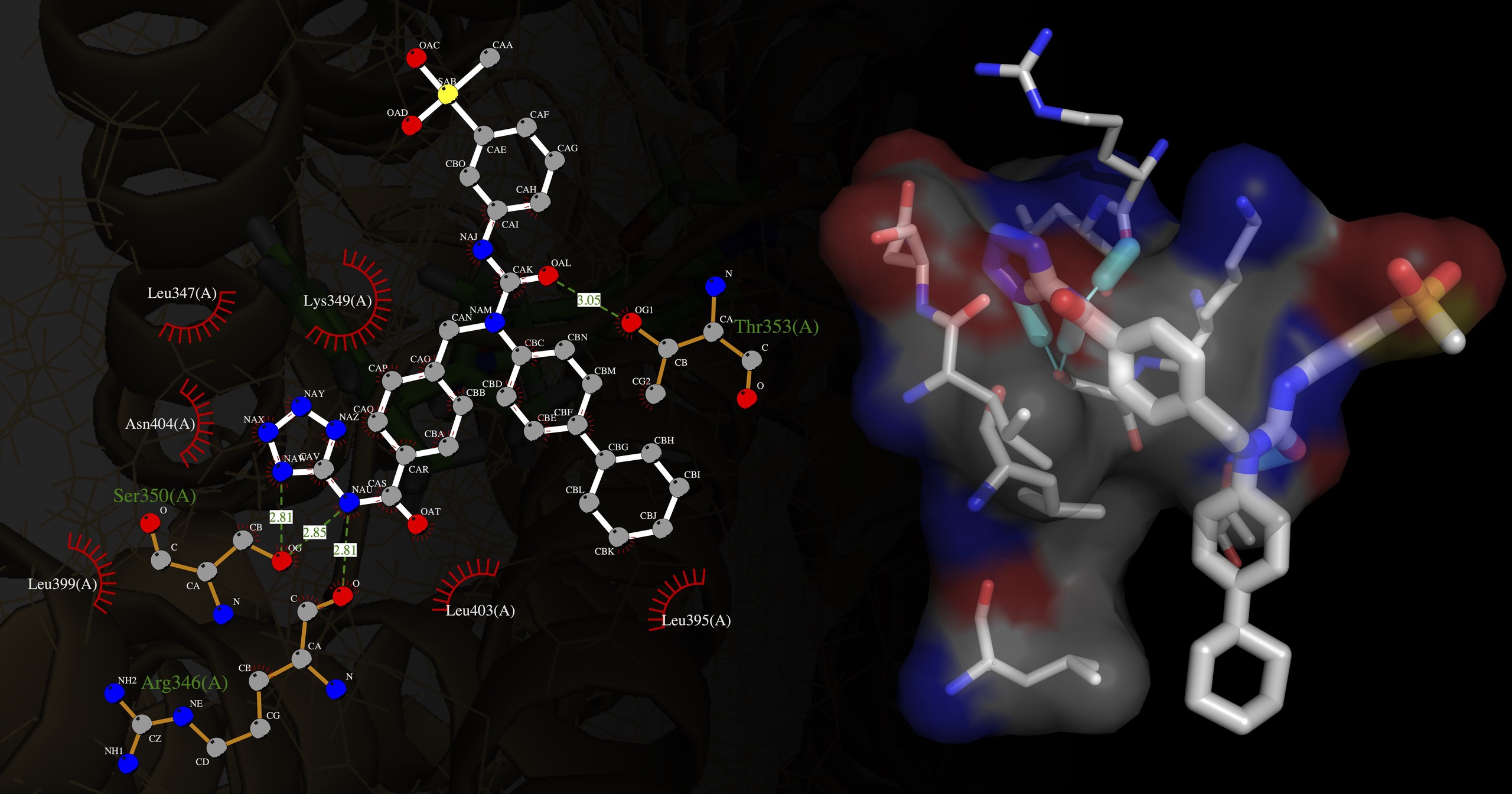
Track II
Enzyme Engineering
Integrating deep learning and atomistic simulations for biocatalyst optimization, thermostability, and environmental degradation.
Track II · PROJECT 01
Enzyme Engineering to Enhance Thermostability of Thermophilic PET-Degrading Enzyme, MG8
Integrates deep learning with computational approaches, including molecular docking and molecular dynamics simulations, to identify promising MG8 variants and characterize the geometry and molecular interactions of the binding pocket under physiologically relevant conditions, with the goal of improving protein thermostability.
In collaboration with Dr. Chayasith Uttamapinant, School of Biomolecular Science and Engineering (BSE), VISTEC
Enzyme EngineeringPET DegradationProtein ThermostabilityBinding Pocket Geometry
Track II · PROJECT 02
Computational Enzyme Engineering to Enhance DeHa2 Efficiency for Fluorinated and Chlorinated Organohalogen Degradation
Leverages integrated deep learning and molecular dynamics simulations to predict potentially efficient DeHa2 variants (haloacid dehalogenase) and analyze the geometry and interactions of the binding pocket under real-world conditions, aimed at enhancing the degradation of toxic fluorinated and chlorinated organohalogen compounds.
In collaboration with Dr. Chayasith Uttamapinant, School of Biomolecular Science and Engineering (BSE), VISTEC
Haloacid DehalogenasePFAS DegradationOrganohalogensDeep Learning & MD
Track III
Structural Biology
Uncovering evolutionary conservation, structure-function relationships, and macromolecular complexes.
Track III · PROJECT 01
Computational Structural Biology of Asgard Archaea Proteins: Exploring Structure-Function Relationships and Evolutionary Conservation
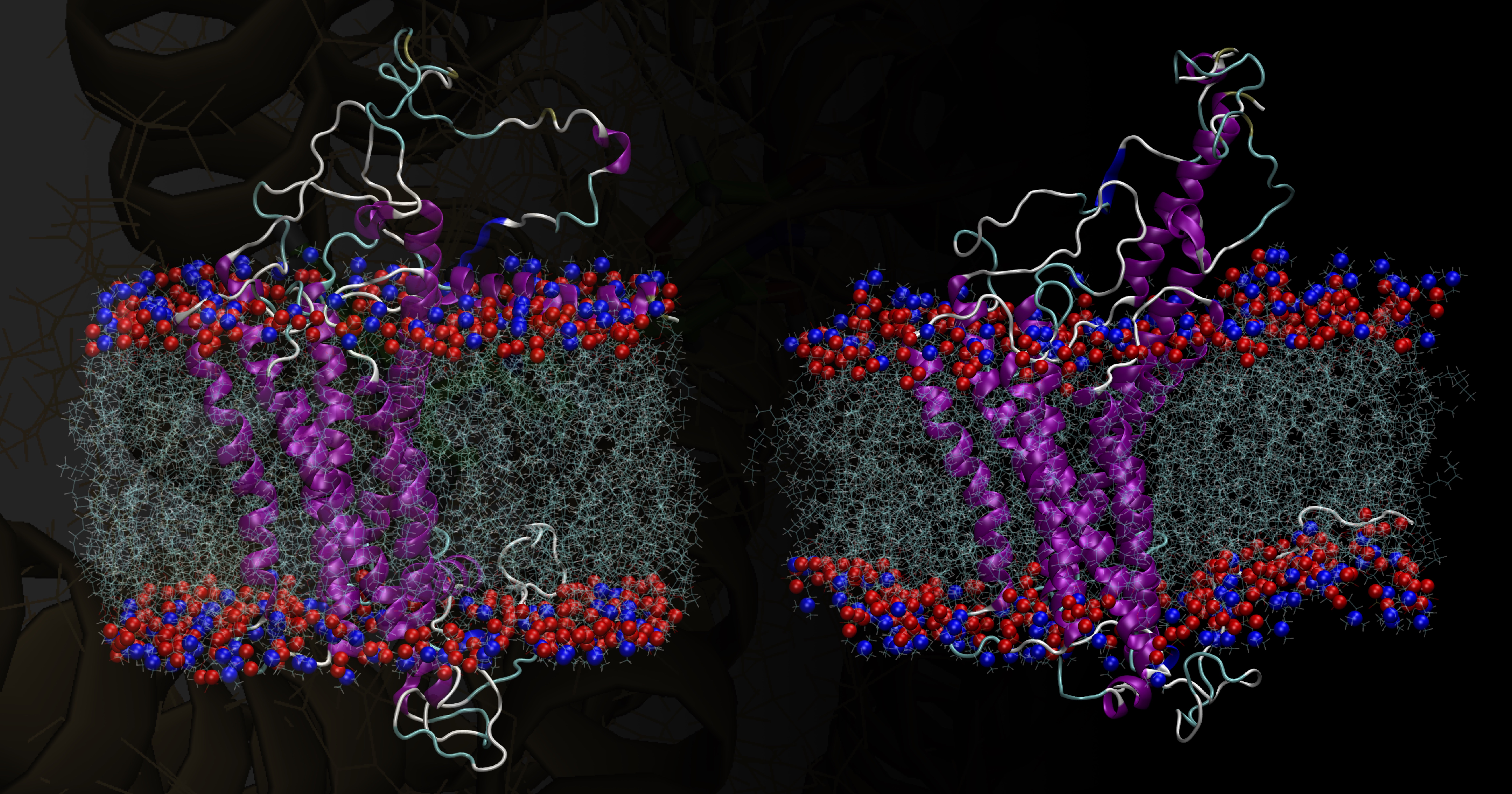
Leverages deep learning and molecular dynamics simulations to investigate the structure-function relationships of eukaryotic-like protein homologs in Asgard archaea. These integrated methods aim to uncover the evolutionary connections between archaeal and eukaryotic protein machineries, identifying conserved fundamental interactions that have persisted across evolution.
In collaboration with Prof. Robert (Bob) Charles Robinson, School of Biomolecular Science and Engineering (BSE), VISTEC
Asgard ArchaeaEvolutionary ConservationStructure-FunctionMolecular Dynamics
05 —— RESEARCH FUNDING & AWARDS
Research Grants
Competitive research funding and supercomputing resource awards supporting our computational pipelines.
FUNDED PROJECTS
Co-Principal Investigator (Co-PI)
CanDrugAI: End-to-End AI-Driven Anticancer Drug Discovery & Development (2025–2027)
Funder: National Science Research and Innovation Fund (NSRF) via Program Management Unit for Human Resources & Institutional Development, Research and Innovation (PMU-B)
Developing a comprehensive AI platform integrating molecular graph representation, proteomics, and virtual screening to accelerate novel anticancer therapeutic discovery.
Grant No: B38G680006
Grant Recipient355,500 Baht (23,700 SHr)
ThaiSC (NSTDA) Voucher Program 3 Award – AI Research Project Grant (2025)
Funder: National Science and Technology Development Agency (NSTDA)
High-performance supercomputing credits on Thailand National Supercomputing Center (ThaiSC) for large-scale molecular modeling and deep learning.
Grant Recipient99,900 Baht (6,600 SHr)
ThaiSC (NSTDA) Voucher Program 2 Award – Research Project Budget Supplement (2025)
Funder: National Science and Technology Development Agency (NSTDA)
High-performance computing resources supporting molecular dynamics simulations of cancer targets and protein complexes.
06 —— COLLABORATIVE NETWORK
Research Collaborations
Interdisciplinary collaborations spanning structural biology, chemical synthesis, computational intelligence, and clinical oncology.
GLOBAL PARTNERS
Core Collaborative Teams
2 Teams
BAIDBiomolecular AI & Digital Biochemistry
BAID Research Team
An interdisciplinary research group committed to transforming the dynamic landscapes of biomolecular science and biomedicine through cutting-edge AI and computational frameworks.
Explore Team
BioXcepTionHigh School Student Research & Mentorship
BioXcepTion Research Team (2018 – 2023)
A high school student research team with a particular emphasis on Computational Biology, Computational Chemistry, and Artificial Intelligence.
Explore TeamInstitutional Collaborations
6 Partners
School of Biomolecular Science & Engineering (BSE), VISTEC
Academic & Clinical Research Partner

Research Institute for Interdisciplinary Science (RIIS), Okayama University
Academic & Clinical Research Partner
Faculty of Science, Chulalongkorn University
Academic & Clinical Research Partner
Chakri Naruebodindra Medical Institute, Faculty of Medicine Ramathibodi Hospital
Academic & Clinical Research Partner
Faculty of Medicine Siriraj Hospital, Mahidol University
Academic & Clinical Research Partner
Faculty of Medicine, Khon Kaen University
Academic & Clinical Research Partner